
Etched / acid-washed
Sandstone
A warm, granular surface with a subtle sugar-cube sparkle. It brings the tactile character of sandstone to façades, columns, surrounds, and landscape elements.
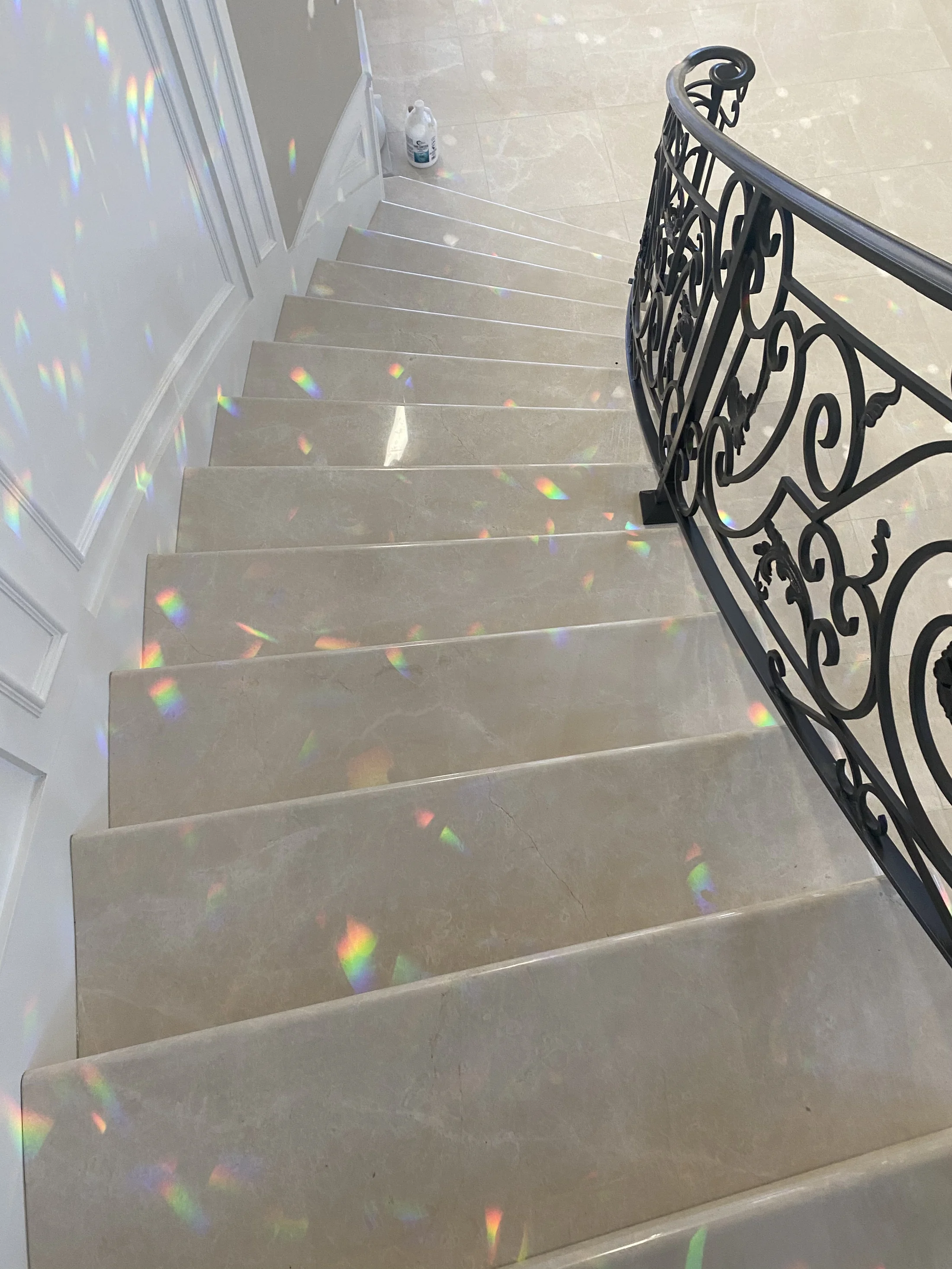
The expanded stone library
It is a family of surfaces, structures, histories, and performance choices. Start here to understand cast stone, natural stone, finishes, colors, paving, and marble.
Material first
Some projects need repeatable profiles and controlled color. Others need the movement, age, and singularity of quarried stone. Many of the strongest projects use both.
Landmark Stone supports cast stone, GFRC and UHPC architectural systems alongside natural stone paving, slab, veneer, marble, and custom work. The goal is not to force one material everywhere, but to build a coherent palette around performance and design intent.
Material comparison
A practical comparison for early design decisions. Final selections should always be reviewed against physical samples and project requirements.
Custom profiles, repeatable units, coordinated colors and textures
Unique veining, mineral movement, and quarry-driven variation
Mouldings, columns, surrounds, mantels, caps, panels, and repeatable details
Paving, slab work, veneer, floors, baths, counters, and one-of-a-kind features
Controlled variation within an approved sample range
Inherent variation from piece to piece and block to block
Finish sample, profile drawing, module, and attachment review
Physical sample, slab or lot selection, finish, thickness, and layout review
Natural stone
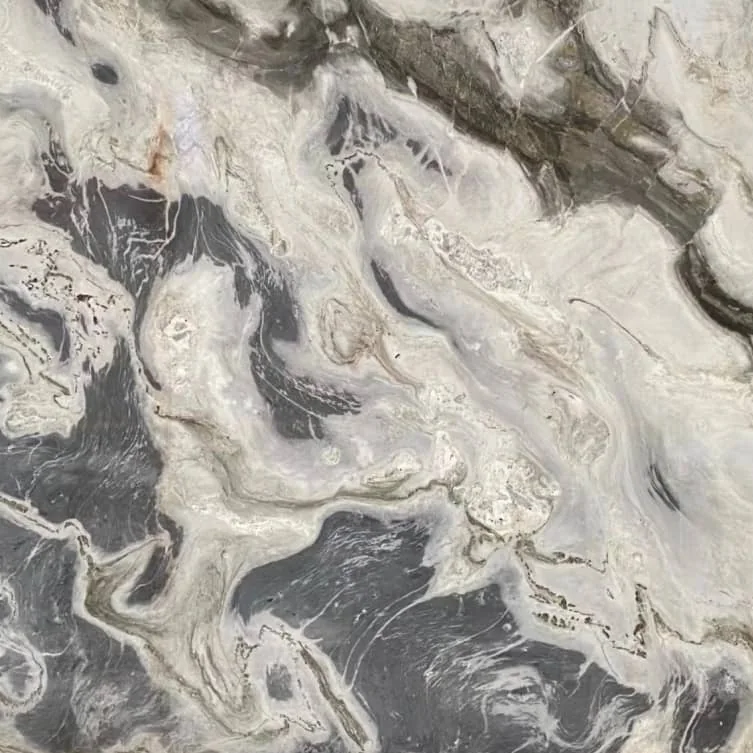
Natural stone records the conditions that formed it. Veins, fossils, mineral shifts, pits, and color movement are not defects to erase; they are the source of the material’s character.
Selection should consider the full range of the lot, not one small sample. Finish, edge, module, orientation, jointing, and lighting can change the way the same stone reads in a finished space.
Cast stone finishes
Finish method changes color, reflectivity, aggregate exposure, and the way shadow settles across a profile.
Etched / acid-washed
A warm, granular surface with a subtle sugar-cube sparkle. It brings the tactile character of sandstone to façades, columns, surrounds, and landscape elements.
Sandblasted
A fine, softly frosted finish with quiet color movement. Limestone texture works equally well on traditional mouldings and clean contemporary forms.
Rustic / open texture
Surface variation and controlled voids create a hand-worked appearance inspired by naturally deposited travertine.
Exposed aggregate
A more expressive surface that reveals aggregate and variation, suited to architecture that calls for age, depth, and material presence.
Diamond polished
A smooth finish that reveals the aggregate and creates a restrained play of light similar to polished natural stone.
Fine stone character
A refined palette inspired by dolomite and marble, with subtle crystalline character for elegant architectural and interior applications.
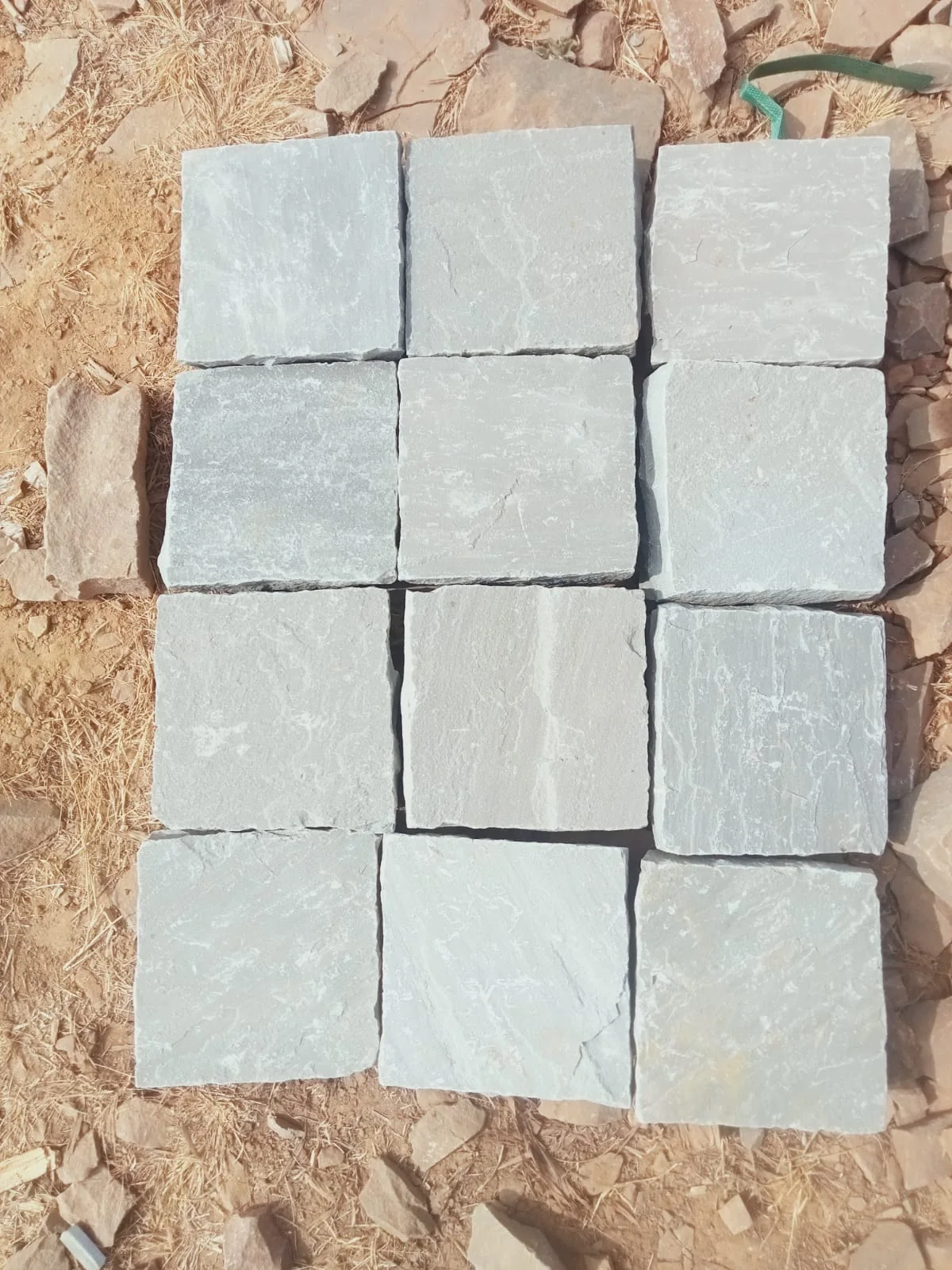
Paving stones
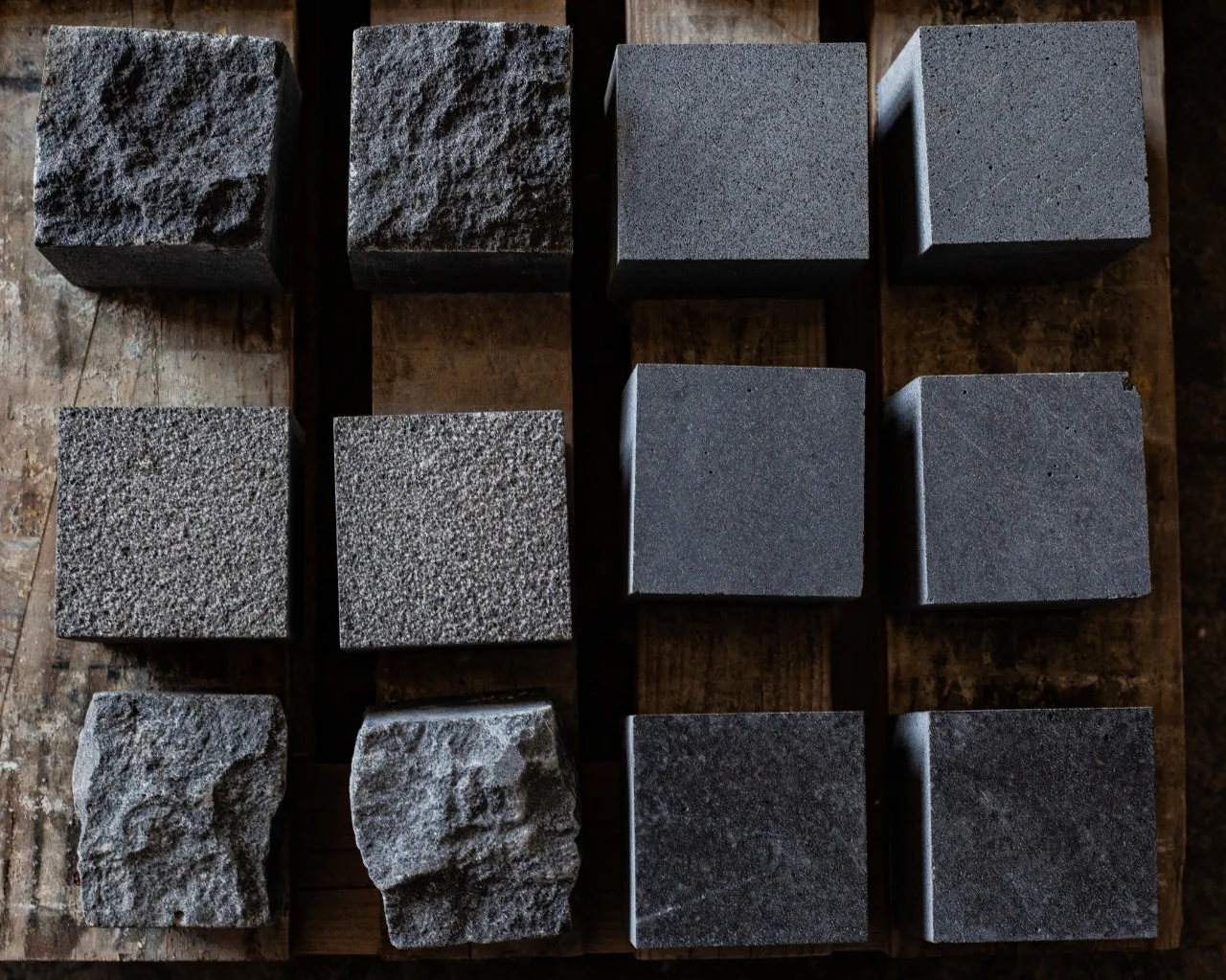
Exterior stone selection depends on more than color. Format, surface texture, drainage, edge condition, traffic, climate, and maintenance all shape the final choice.
Dense, dark igneous stone for crisp paving fields, borders, courtyards, and contemporary landscapes.
Fine-grained grey stone with quiet movement and a strong fit for high-traffic exterior applications.
Blue-grey natural stone that works across terraces, pool decks, paths, steps, and formal paving patterns.
Additional natural stones can be reviewed around color, finish, format, slip performance, and availability.
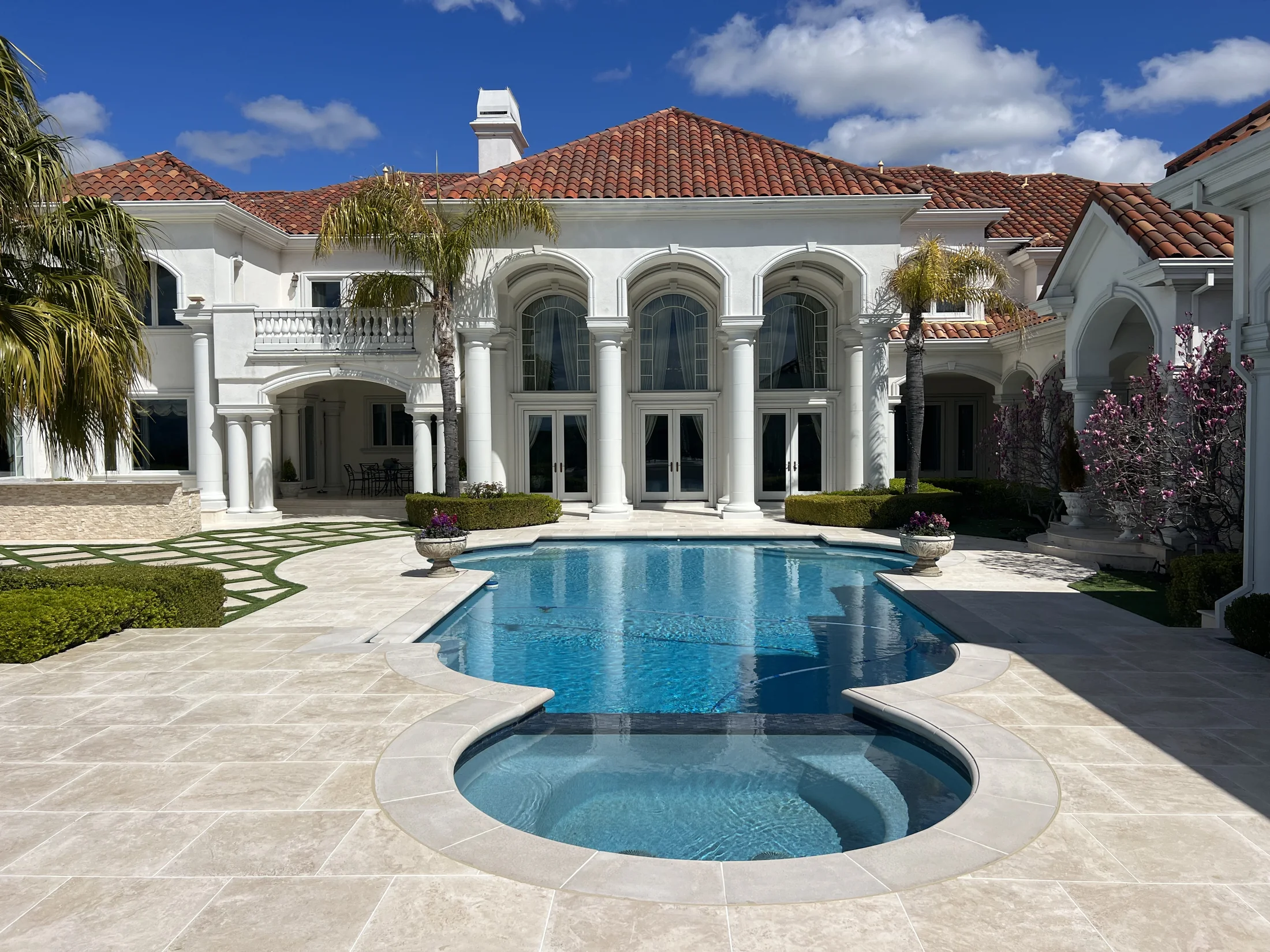
Pattern matters
Large-format slabs create quiet surfaces. Repeating setts build texture and rhythm. Contrasting bands establish direction. Turf joints soften hardscape. Pool coping and stair treads make the field feel complete.
Explore paversMarble & dolomite
Marble can become a room, a stair, a fireplace, a bath, a basin, a counter, or a custom object. Veining should be composed across the installation, not treated as a background texture.
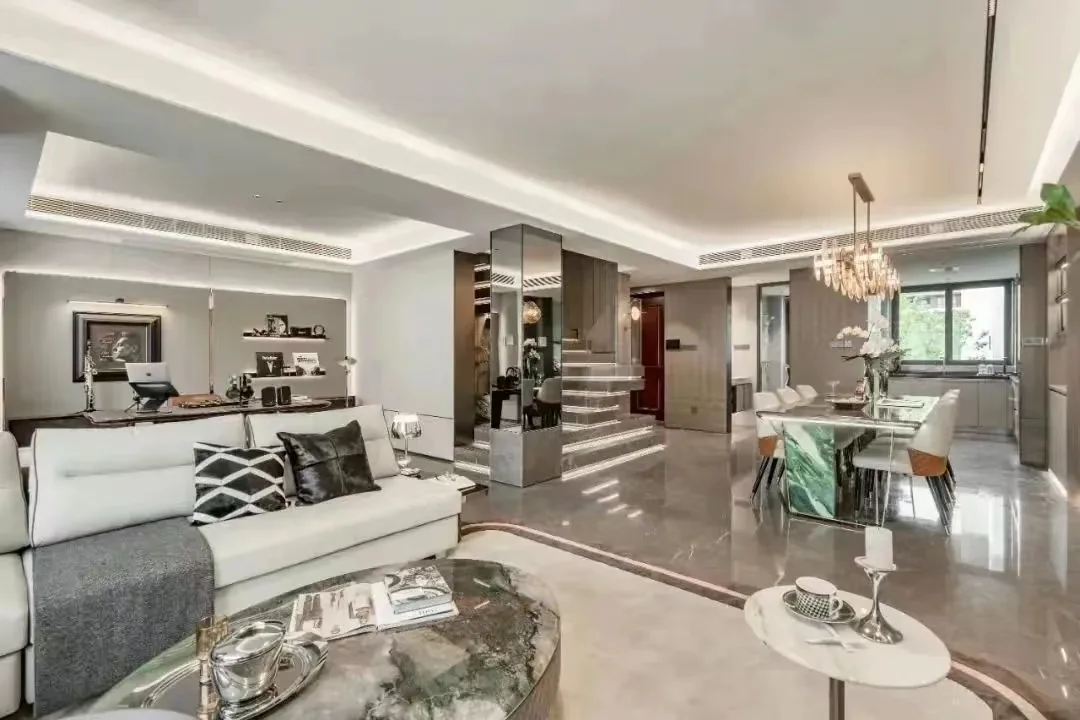
Landmark palette
Screens cannot reproduce material color reliably. Use this list to begin the conversation, then approve against a physical sample.
Material in hand
Begin with cast-stone color and texture, then add a specialist system sample when the application calls for it.
Build a material palette
We’ll help organize the right cast and natural stone options, physical samples, finishes, and technical conversations.